
PhD Student in English, University of Toronto
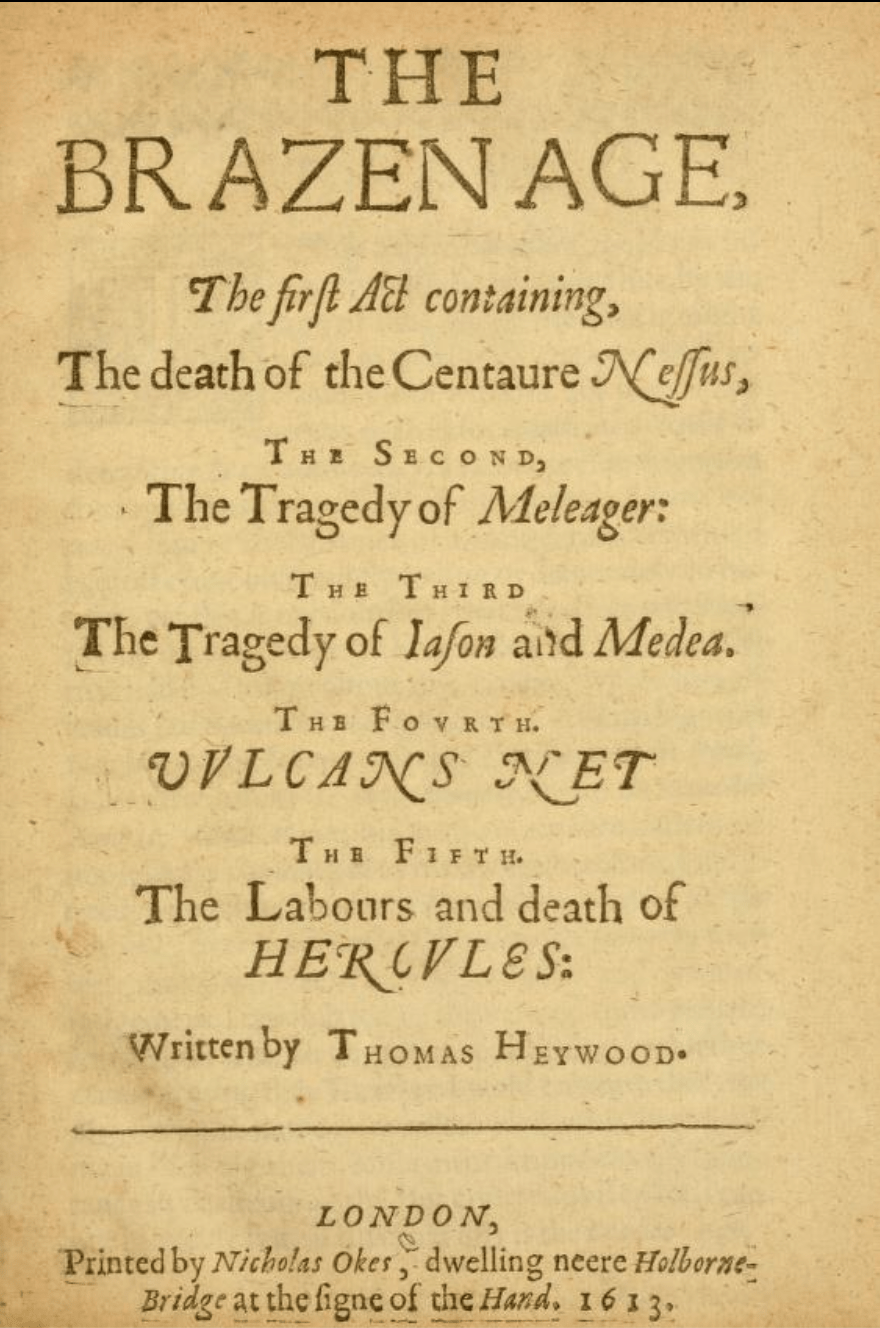
“this more gross and courser mettaled age”: Metamorphosizing Waste in Heywood’s The Brazen Age
This exploratory paper offers a reading of the animate and regenerative tendencies of material waste in Thomas Heywood’s The Brazen Age (1613). The third play in a five part series, The Brazen Age is often dismissed by scholars because its excessive theatrics have given it the reputation of being something like a seventeenth-century superhero franchise. Equipped with a dazzling array of intricate props, advanced stage machinery (i.e., flying machines), and extensive pyrotechnics, Heywood’s play flaunts conventional expectations and regularly indulges in what many would have considered a serious faux pas: the mythological transformations of Ovid’s “woorke of turned shapes,” including the life of Hercules and Vulcan’s entrapment of Venus and Mars. By attending to the ways the play draws attention to its own artifice, I argue The Brazen Age maintains a persistent interest in the physics of the metamorphoses it stages. Specifically, I tease out the ways that Hercules’s early threats to reduce his opponents’ bodies to particulate forms complicate both the dusty residue of the play’s pyrotechnic effects and the cosmetics used to create the “soot[y]” complexion of the racially-othered Vulcan. Ultimately, Heywood’s self-conscious and ironic indulgence in the exposure of his own stagecraft has, I think, another effect: the fecund, even rhizomatic animacy of these various particulates at once reveals and makes incoherent the play’s racial hierarchies, which rely on a ruderal binary that aligns whiteness with growth and blackness with dust and decay.
PhD Candidate in English, University of Toronto
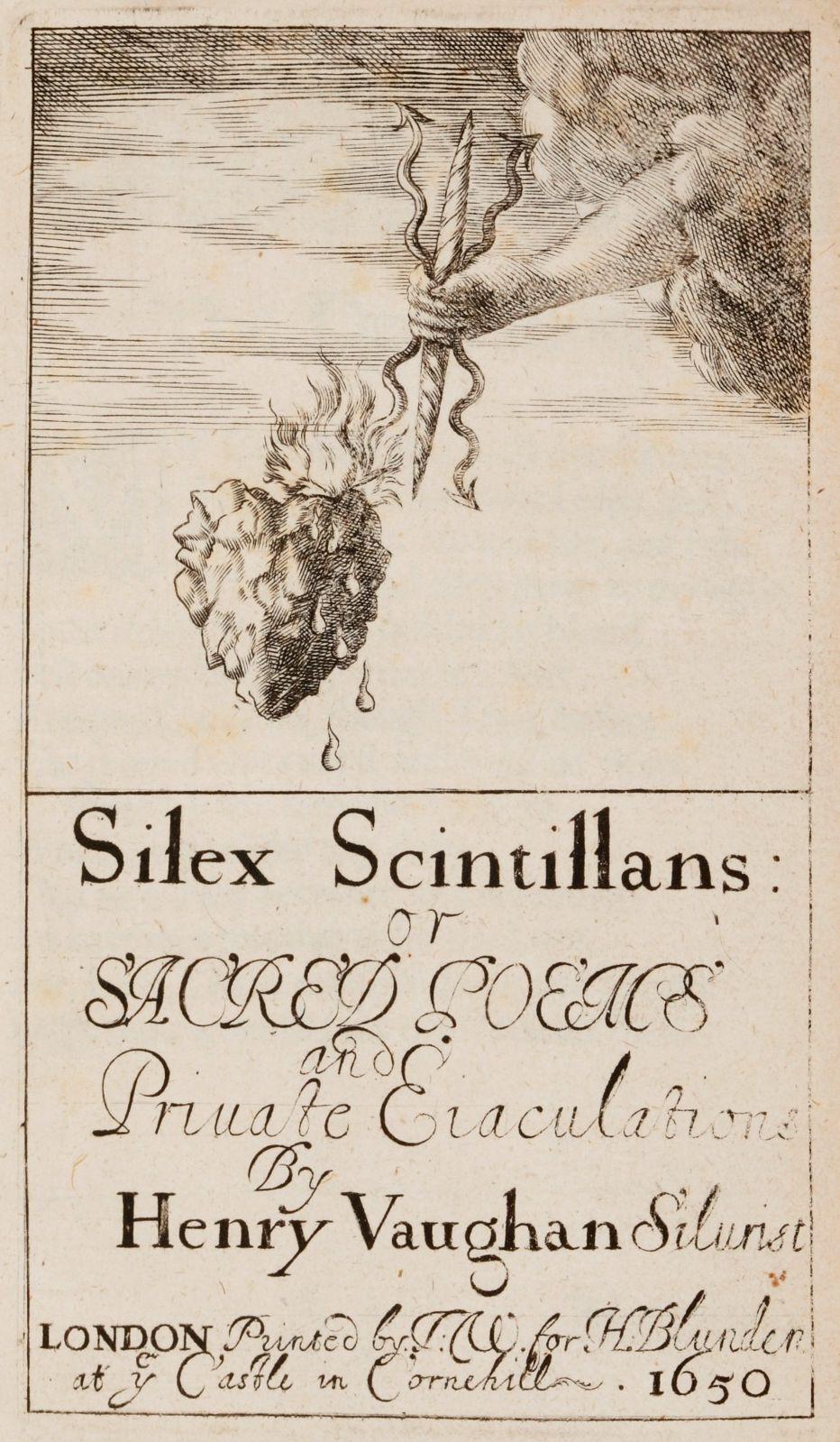
Nature’s Narrative: The Growth of Restoration in Vaughan’s Silex Scintillans
The dramatized struggles of devotional poetry are often grounded in the difficulty of reliably accessing the spiritual realm beyond the physical world’s veiled distractions. Within Henry Vaughan’s Silex Scintillans, nature itself proves to be the central guide for structuring the poetic subject’s relationship with God and accommodating a narrative of social and political loss. This analysis considers Vaughan’s unprecedented focus on nature among the metaphysical poets within the context of the Anglican community’s persecution, particularly the Puritan banning of the Book of Common Prayer in 1645. I argue that Vaughan depicts the natural world not merely as a pastoral, proto-romantic retreat, but rather as a model that provides a narrative framework for restoring humanity’s fallen state and his community’s religious crisis. To that end, I highlight the extent to which his motifs of natural renewal are best understood within the Old Testament prophetic tradition, especially the books of Isaiah and Ezekiel, in contrast with critics who generally point to the influence of the Song of Songs and psalms on Vaughan’s poetry. By drawing on such biblical subtexts in his representations of seasonal cycles, Vaughan shows how these cycles can ultimately be transcended at the personal, political and even eschatological level.
Thursday 27 Feb. 2025
4:00-5:30 PM
Victoria University Common Room
91 Charles St W

To attend this event on Zoom, please register here.


