
PhD Student in the Department of Philosophy, University of Toronto
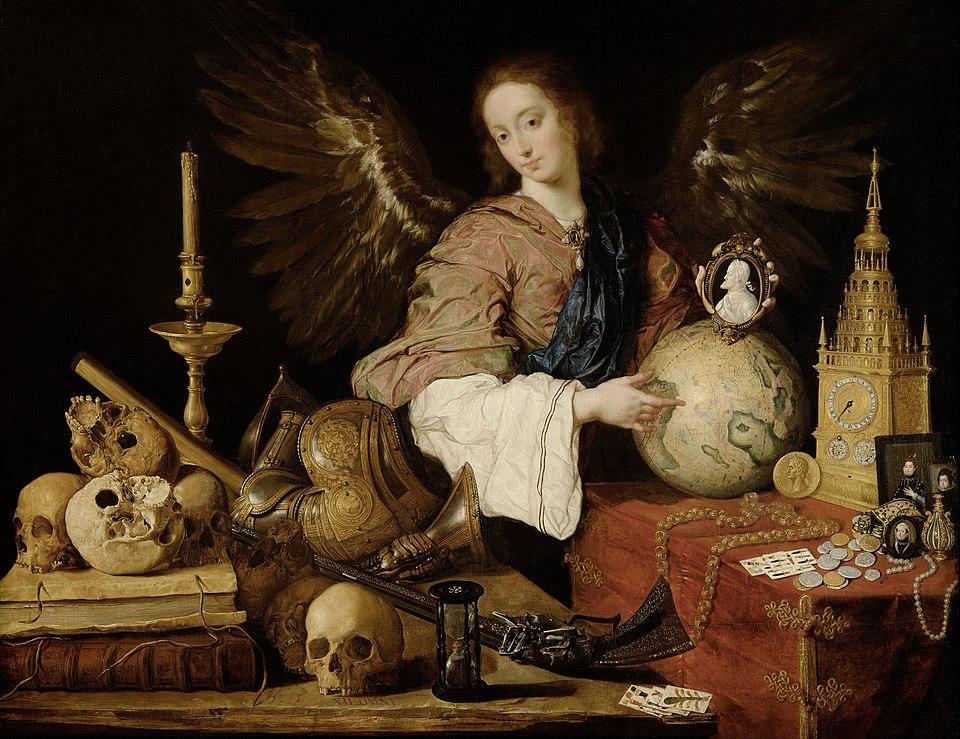
“Is Time an Innate Idea? A Problem for Locke”
One of John Locke’s central commitments in An Essay Concerning Human Understanding (1690) is that all of the mind’s ideas come from experience. My aim in this paper is to demonstrate that Locke’s account of time cannot live up to this strict, empiricist requirement. My argument is simple. Locke argues that the mind acquires its idea of time from experiences of succession and duration. According to Locke’s account, the mind can experience succession and duration only because it has an idea of a “before-after relation”. The problem, I argue, is that the idea of a before-after relation cannot be acquired from experience. Thus, Locke’s account of time falls short of his stringent empiricism. I conclude by considering the implications of my argument for Locke’s larger project. Here, I raise two questions. First, is the idea of a before-after relation innate? Second, are there other, similar ideas that the empiricist may struggle to explain? To both, I speculatively answer: ‘Yes’.
PhD Student in the Department of English, University of Toronto
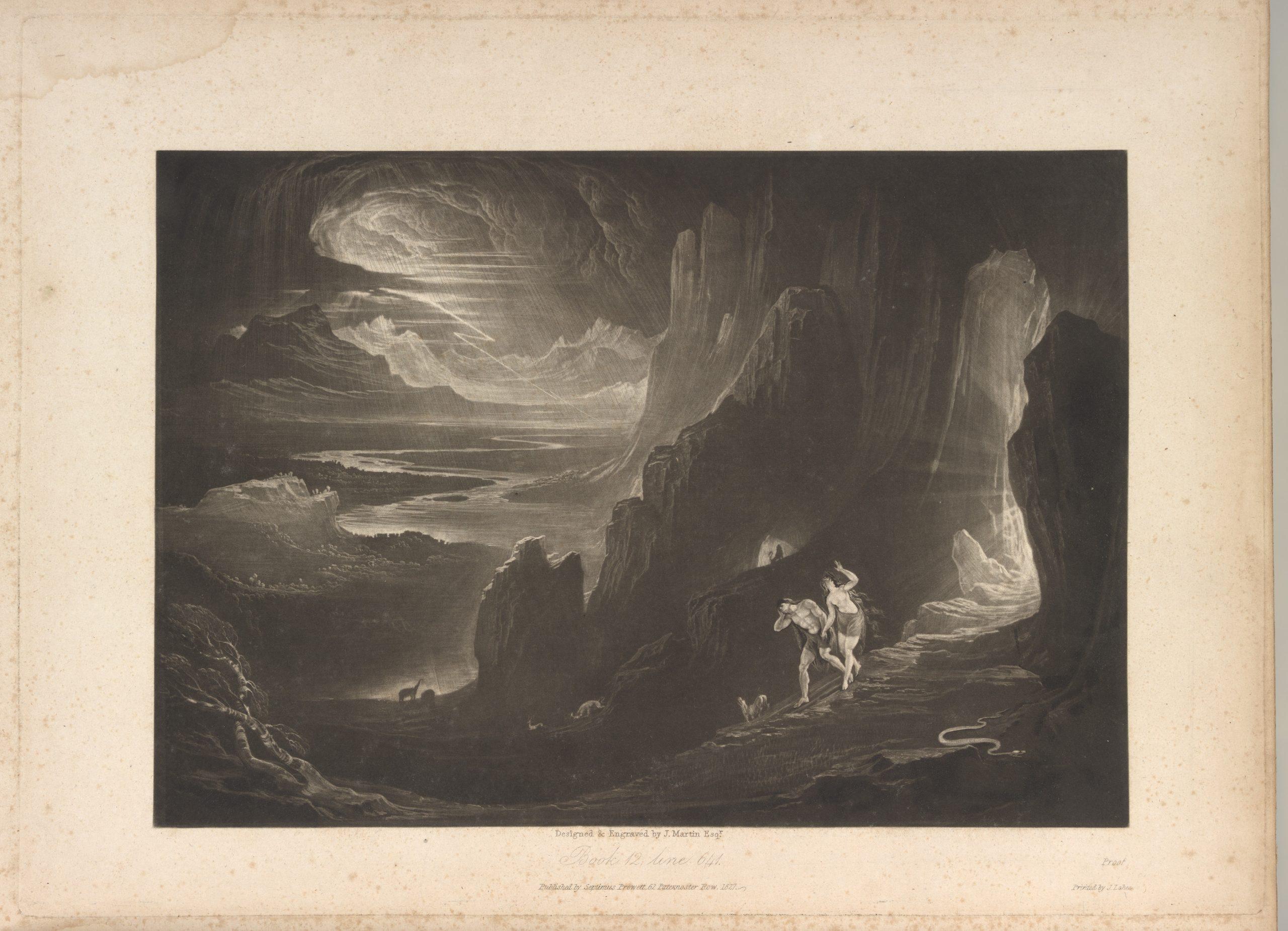
“‘Like a Blindness Cleansed’: Paradise Lost and Wallace Stevens’s ‘The Rock'”
“It was a rock / Of alablaster, piled up to the clouds”—so John Milton describes the eastern gate of his Paradise. This towering structure overshadows the landscape of his Eden, and since Adam and Eve will depart through it at the close of Paradise Lost, it also casts a shadow over the plot of the epic.
This presentation considers the role that the image of the rock plays in Paradise Lost and Paradise Regained, along with Wallace Stevens’s reception of the image in his poetry, especially “How to Live. What to Do.,” “This Solitude of Cataracts,” and, crucially, “The Rock.” For Stevens, Milton’s image of the rock takes on existential import as he attempts to achieve a “paradise within” by using poetry as a “cure” for the mind in a world which, if not literally Fallen, can sometimes feel like it. Reading Milton alongside Stevens, it will further argue that poetry assumes a similar role as cure in Paradise Lost, inasmuch as the poem’s consolation for its poet “In darkness, and with dangers compassed round” is less in the poem’s theodicy than in the spiritual and aesthetic reprieve offered by the visitations of his Muse.
Thursday, February 26, 2026
4:00–5:30pm
Victoria University Common Room
91 Charles St W


