
PhD Candidate in History, University of Guelph
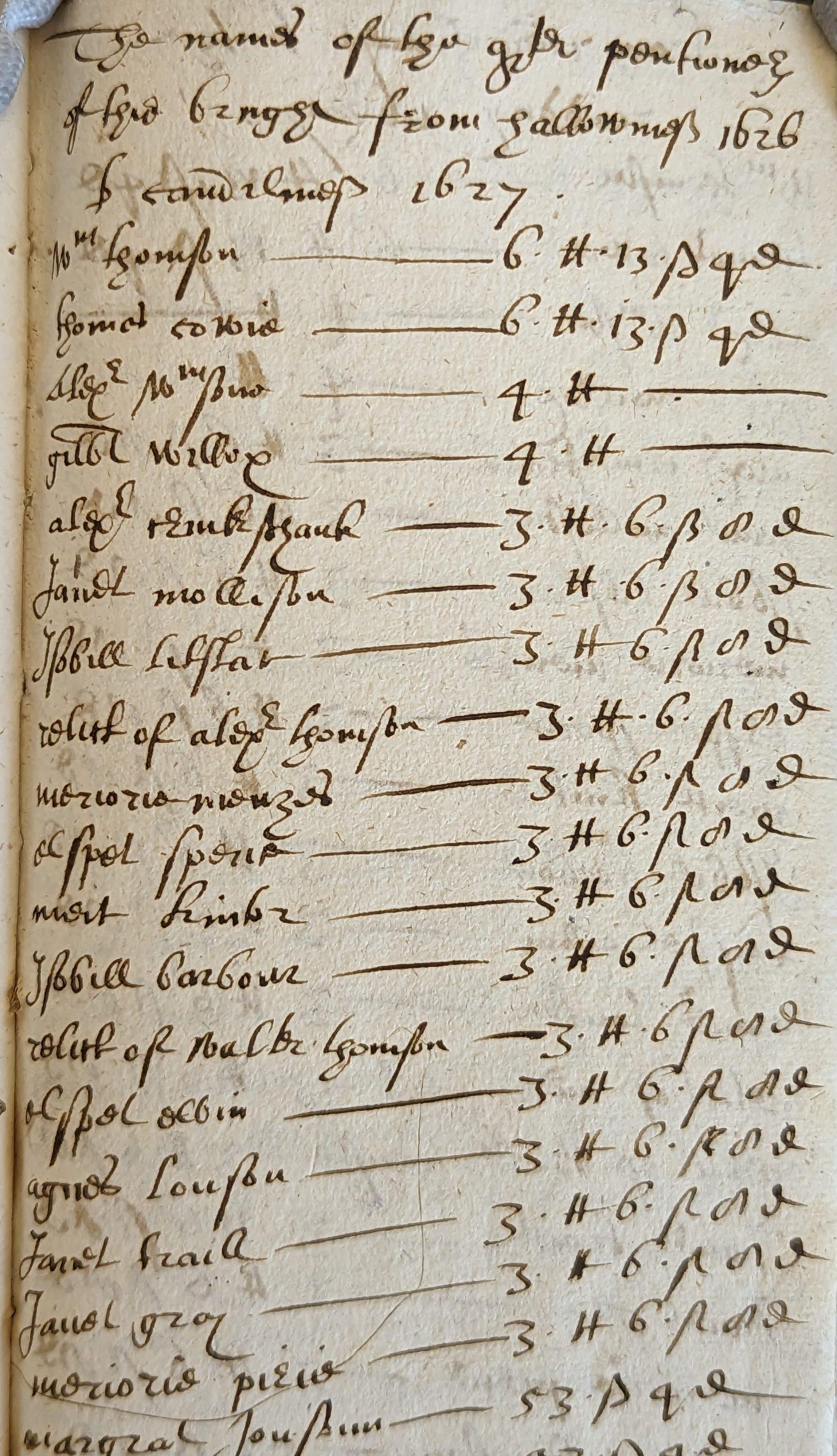
“For ye have the poor always with you”: The Systematization of Charitable Works in Aberdeen, 1600–1622
Following the onset of the Scottish Reformation in 1560, the loss of Catholic infrastructure left charitable works—poor relief, health care, and education of the poor—in a state of disarray. With parliament and the royal court in tension over the confessional changes, it was left to communities to address local needs. Using the burgh of Aberdeen as a case study, this paper argues that local, centralized networks of charitable works developed in the aftermath of the Reformation and relied on an increase in bureaucracy and systematization by authoritative bodies like the burgh council and the kirk session.
The development of new systems centered on the three core areas of charitable works: identifying the poor, the collection of funds, and the distribution of charity. These new approaches were slow to develop, but rapidly expanded at the beginning of the seventeenth century into a reasonably efficient and effective system. By looking at how changes in each of these areas connected to each other, and the roles that different authorities played in enacting these changes, we can better understand the impact of religious transformation on the function of local socio-economic concerns.
PhD Candidate in Philosophy, University of Toronto
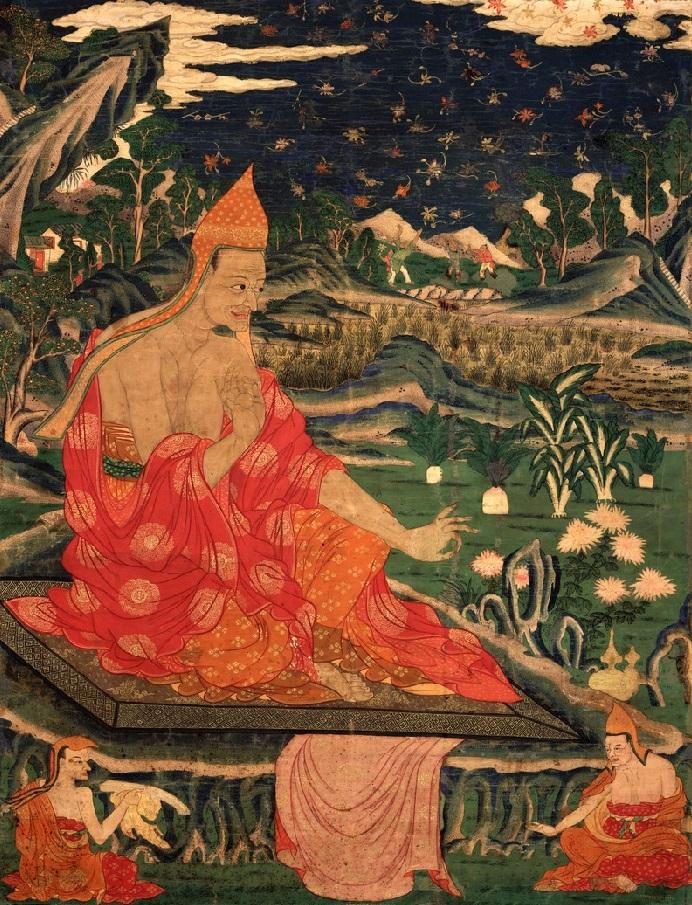
Debates about Self and World: Between Buddhism and Spinozism
The doctrine of substance monism, put forth by Dutch thinker Benedict de Spinoza (1632-1677) became the central point around which much German philosophical debate revolved in the eighteenth and nineteenth centuries. One key implication of substance monism is that finite beings like you and I were, in some sense, not real. This line of worry was not just familiar to Sanskrit intellectual thinkers such as the Buddhist philosopher Vasubandhu (c. 350-430), but was in fact picked up by those very same critics of Spinoza’s philosophy. That the modern German reception of one—Spinozism—was intertwined with that of the other—Buddhism (as well as other Sanskrit philosophies)—has not gone unnoticed in the scholarship, but their philosophical affinities deserve more careful scrutiny.
In reconstructing Vasubandhu and Spinoza’s positions dialectically, what emerges is their shared, though not identical, argument for the elision of the distinction between subjects and objects of experience, between perceivers and perceived. This is not to vindicate the joint criticism of Buddhism and Spinozism in modern German thought, but rather to propose a way in which said criticism might rest on deeper philosophical commitments that, at least according to Vasubandhu and Spinoza, one ought not to hold.
Wednesday, November 27, 2024. 4:00-5:30PM
Victoria University Common Room
91 Charles St W

To attend this event on Zoom, please register here.


