
PhD Candidate in the Department of Italian Studies, University of Toronto
“A Body Set Apart: (Dis)ability, Voice, and Religious Identity in the Case of Fiammetta
Frescobaldi (d. 1586)”
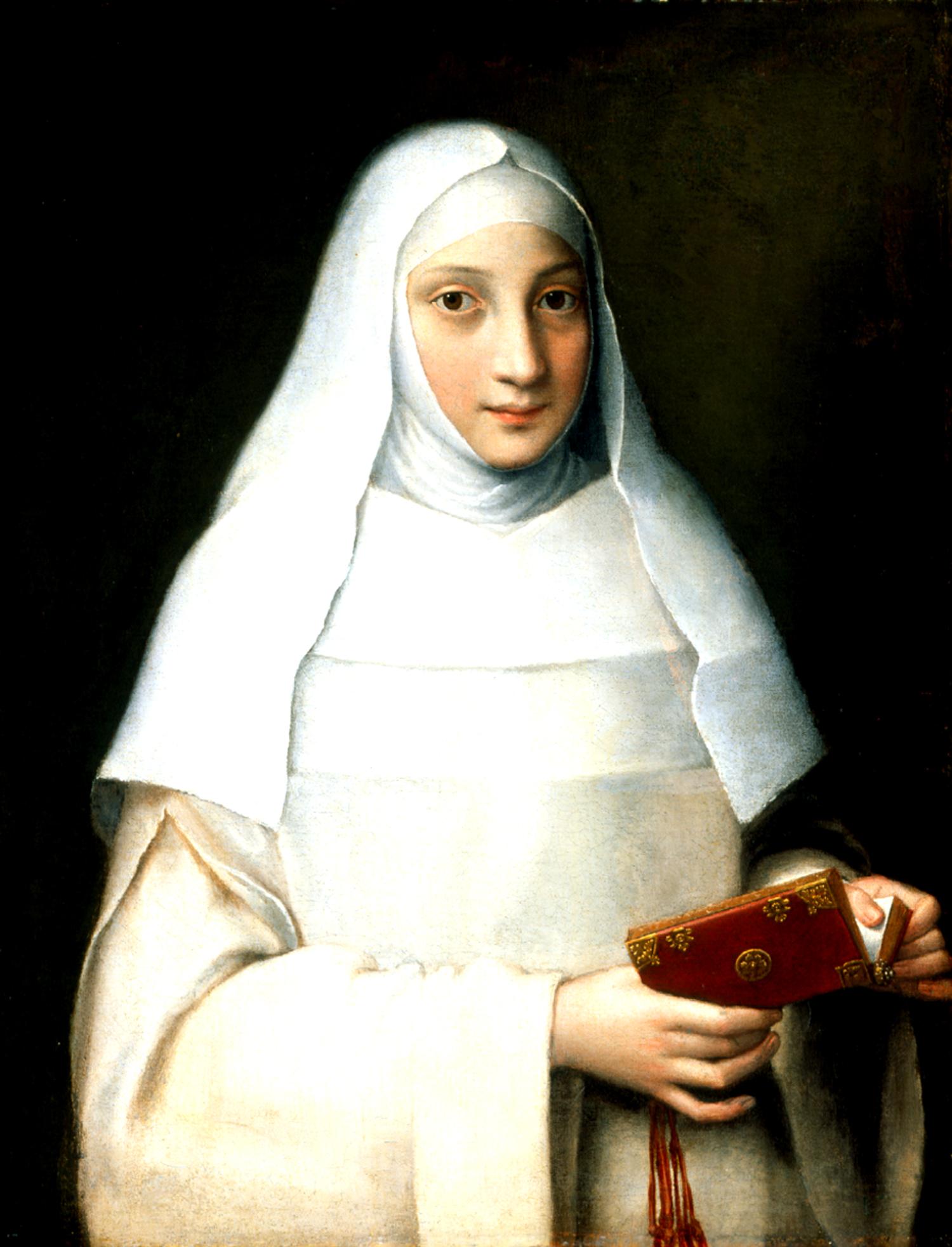
This paper examines the experience of disability in Renaissance Italy through the lens of the Florentine Dominican nun Fiammetta Frescobaldi (d. 1586)—an aspect of her life that, far from
being incidental, profoundly shaped the rhythm of her daily existence, her access to communal
spaces, her devotional practices, and how she was perceived by peers and superiors. By situating her
experience within broader cultural, medical, and theological discourses on the body in early modern Italy, I investigate how disability was interpreted, accommodated, and at times spiritually valorized within the conventual context. Drawing on primary sources and comparative examples of other (dis)abled religious women of the period, I also explore how physical impairment intersected with enclosure, gendered expectations, and the performance of piety. In doing so, I argue that Fiammetta’s condition not only limited her mobility but also became a meaningful site of religious identity—a vehicle through which she negotiated voice, visibility, and authority within a system often ambivalent toward the disabled female body.
PhD Student in the Department of Spanish and Portuguese, University of Toronto
“Colonial Conventual Writing in Nueva Granada: The Body as a Site of Sanctity and Melancholy”
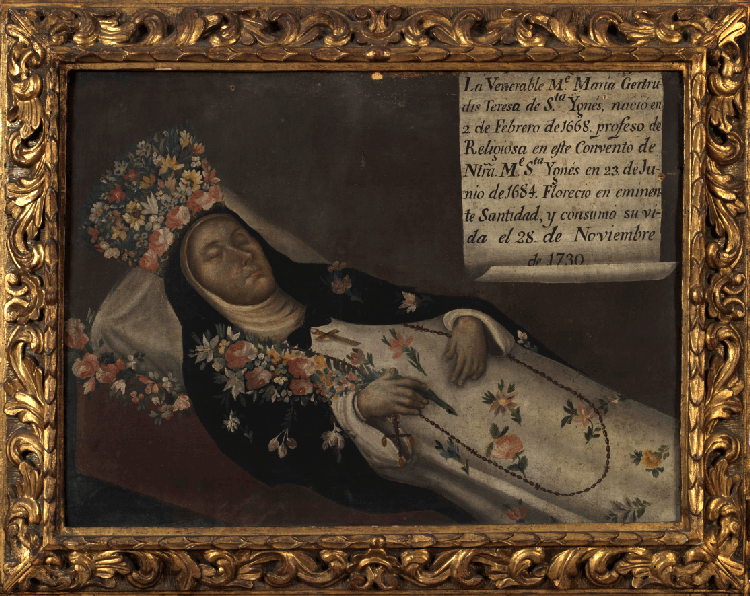
This work in progress investigates the relationship between sanctity and melancholy through the lives (Vidas) and writings of Sor Gertrudis Theresa de Santa Inés (1668–1730), Sor Jerónima Nava y Saavedra (1669–1730), and Sor Francisca Josefa del Castillo (1671–1742). These nuns occupied dual roles as both authors and subjects of religious texts—Sor Gertrudis primarily as an object of veneration, and Jerónima Nava and Francisca Josefa as active contributors to conventual literature. Their spiritual prominence rendered them exemplary figures and symbolic “celebrities,” serving as idealized models of virtue for elite criollo women.
Female conventual writing in colonial Nueva Granada (present-day Colombia) subtly reveals the mechanisms of spiritual conquest and colonization. While functioning as a tool for regulating subjectivity, it simultaneously provided a space to interrogate prevailing structures of power and desire. Mystical experiences—particularly those involving direct, unmediated encounters with the divine—challenged ecclesiastical authority and reactivated awareness of the physical body, Christ’s spiritual body, and the broader social body.
This project explores the intersection of writing, mysticism, melancholy, and embodiment within hagiographic and mystical discourses. These narratives constructed exemplary subjectivity through rhetorical contradiction, producing both an idealized social representation and an aesthetic of sensory control. Melancholy emerges not only as a literary trope but also as a psychological catalyst, marking social distinction and rhetorical space. In this context, it reflects tensions surrounding race, status, and purity of blood, while also revealing the anxieties and fears of the dominant classes—often dramatized through demonic encounters.
Wednesday, October 22nd, 2025.
4:00–5:30pm
Victoria University Common Room
91 Charles St W


