
Tuesday, December 1, 2026
4:00pm–5:30pm
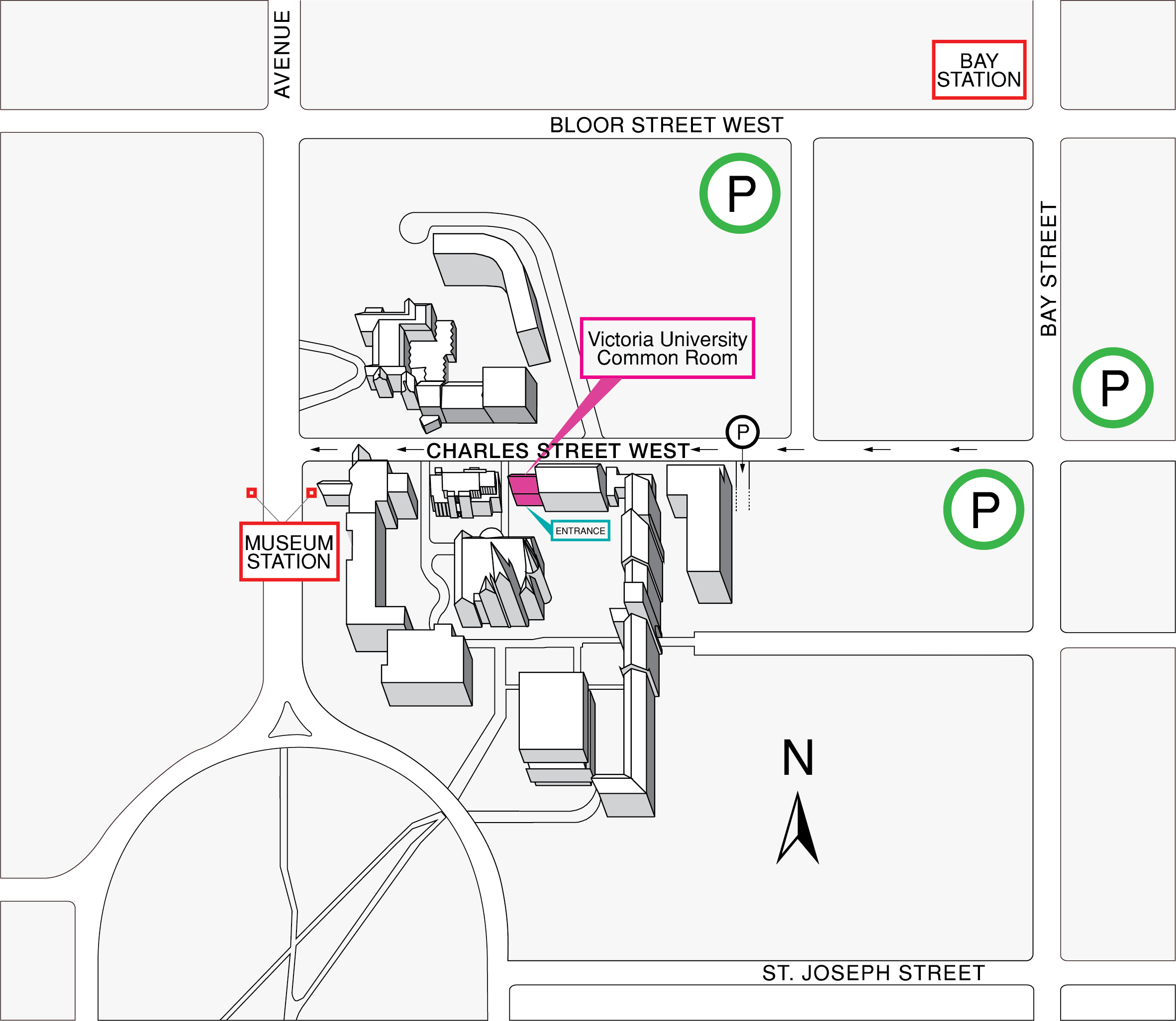
Victoria University Common Room
91 Charles St W
Zoom Registration
“Making Women’s Knowledge Visible through Inquisition Records in Early Modern Modena”
How can historians recover non-elite women’s knowledge and experiences from records produced by institutions seeking to investigate and regulate their behaviour? Drawing on Inquisition trials from sixteenth- and seventeenth-century Modena, a city in northern Italy, this presentation examines how inquisitorial testimonies can reveal the informal networks through which non-elite women shared magical knowledge. By focusing on the testimonies of women involved in magical practices, it explores how information was acquired and circulated between neighbours, friends, and acquaintances, often via oral instruction, observation, shared practices, and gossip. In examining the social relationships and everyday settings in which these exchanges took place, this paper considers how women accessed knowledge outside institutional contexts.
“Did a Prophetess Invent the Latin Language? On Women, Language, and Education between the Late Middle Ages and the Renaissance”
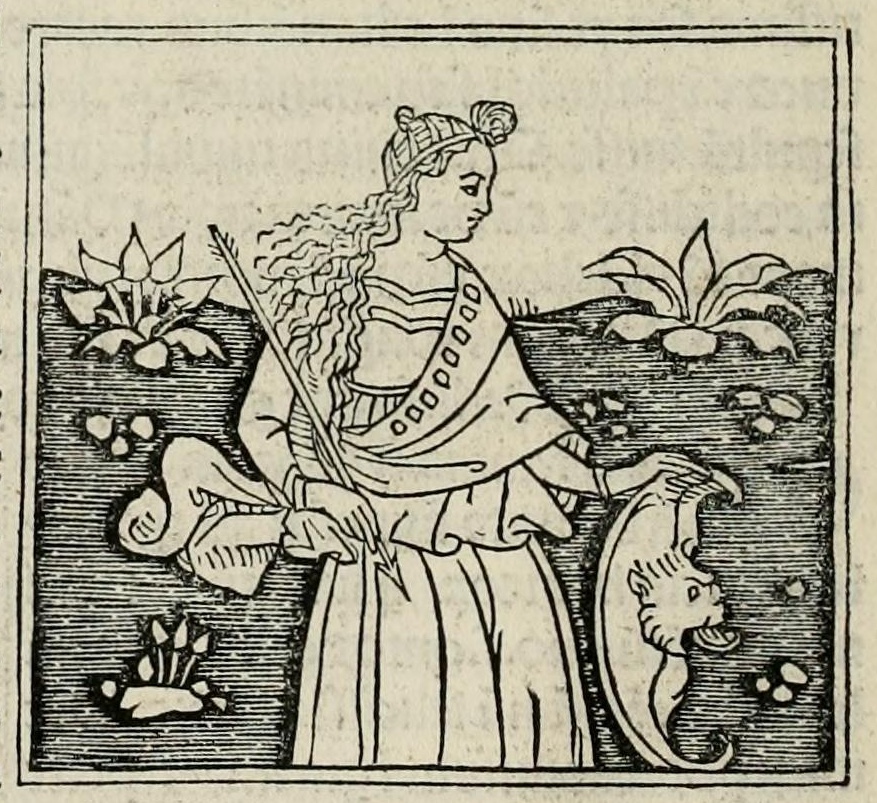
The idea that Latin was a ‘natural’ language is a relatively recent acquisition. Throughout the Middle Ages and into the Renaissance period, it was a commonly held view that Latin was an ‘artificial’ language, created a long time before to restore the linguistic unity among humankind lost after the destruction of the Tower of Babel narrated in Genesis. Who created the Latin language? The widely accepted tradition throughout the Middle Ages ascribed its creation to ‘wisemen.’ Nothing of them was known: not their names, their provenance, their sex. (Although it seemed natural that they were men.) Giovanni Boccaccio, however, in De mulieribus claris makes Nicostrata, a legendary female figure and sybil known for her prophecies about the glorious history of Rome, the inventor of Latin. Boccaccio’s theory became widely popular in the Renaissance period, as its appearance in works such as Christine de Pizan’s Le Livre de la Cité des Dames (1405), Flavio Biondo’s De verbis romanae locutionis (1435), and Antonio de Nebrija’s Gramática de la lengua castellana (1492). Why did Boccaccio ascribe the invention of Latin to a woman, especially a legendary woman with the gift of forecasting the future? Why did this story become so popular throughout the Renaissance? In this paper I argue that its popularity relates to the widespread debate about the education of women and their role on children’s education in the early modern period.

Naomi Makowska is a historian of early modern Europe and gender. Her research explores how Inquisition trials reveal marginalized women’s experiences and social relationships in early modern Modena, Italy. She received her PhD from Queen’s University in 2026. Her research has been funded by federal and provincial grants, including the Ontario Graduate Scholarship and the Social Sciences and Humanities Research Council of Canada.

Giulio Leghissa holds a PhD in Classics, Ancient History and Mediterranean Archaeology from University of Toronto. He is currently Sessional Lecturer at University of Toronto. His research focuses on the reception of Classical ideas and texts in modern Western culture and on the influence of the Classics in modern Western Orientalist literature. His work focuses also on the entanglements between the study of Greek and Latin and Western colonialism in Asia.


