
PhD Student in the Department of English, University of Toronto
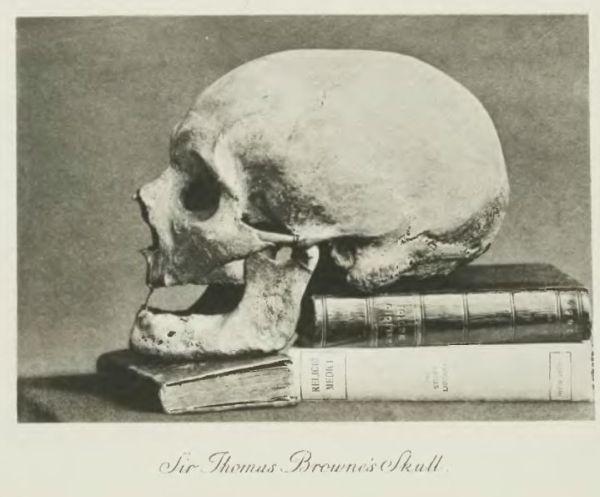
“The Self-Philology of Thomas Browne: Anticipation and Irony in Urn Burial”
Samuel Johnson writes of Thomas Browne’s Urn Burial that “Of the uselessness of all [his] enquiries, Browne seems not to have been ignorant.” This paper seeks to expand the critical consideration of Urn Burial by offering a secular reading of the essay’s most famous passage. In reading the progression of Browne’s essay with reference to seventeenth-century discourses on precision and embellishment, I offer a metric with which to consider the wavering registers of Browne’s sincerity and irony. In his concluding discussion of futurity, Browne undermines his Baconian approach to history and culture by reckoning with piety and vanity and confronts his anxieties about his own writing’s preservation and evaluation. In this way, the work’s exploration of temporality reveals how Browne anticipates Johnson’s judgment of Urn Burial as a useless endeavor. This project lends itself to two questions that motivate my approach to criticism: How do writers think critically about their own work? How might one apply the typically generic dialectic of teleological and wandering narratives into a single author’s non-fiction work?
PhD Student in the Department of English, University of Toronto
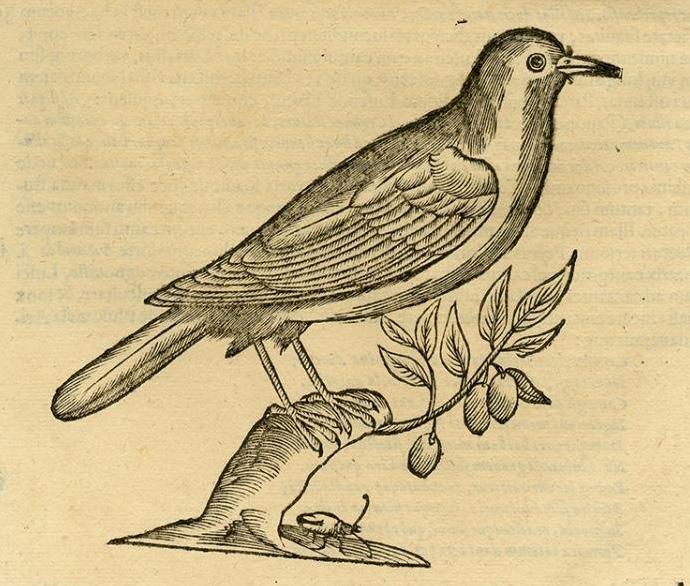
“‘Subtle fragility affects all solid operations’: Reading Affect and Bodies in Richard Crashaw’s ‘Musick’s Duell’”
This presentation explores Richard Crashaw’s engagement with carnal and divine poetics in his rendition of “The Musick’s Duell” as a method to integrate, rather than isolate, the metaphysical with the physical. I suggest that Crashaw’s Nightingale, the animal Other of “The Musick’s Duell,” becomes an affective embodiment of Crashaw’s merging of the secular and divine. Crashaw demands his readers to experience the physicality of his devotional and religious experience, thus creating affective confusion through his abject imagery, and challenging his readers to question the bounds of religious devotion. I suggest that Crashaw positions the Nightingale as a figure that poses a challenge to readers, expanding how they imagine bodily horizons within their religious landscape by drawing attention to the materiality of worship.
Wednesday, November 26, 2025
4:00–5:30pm
Victoria University Common Room
91 Charles St W


