
MA Alumna, English, University of Toronto
“I am Macbeth Again: Naming, Equivocation, and Predicate Nominatives in Macbeth“
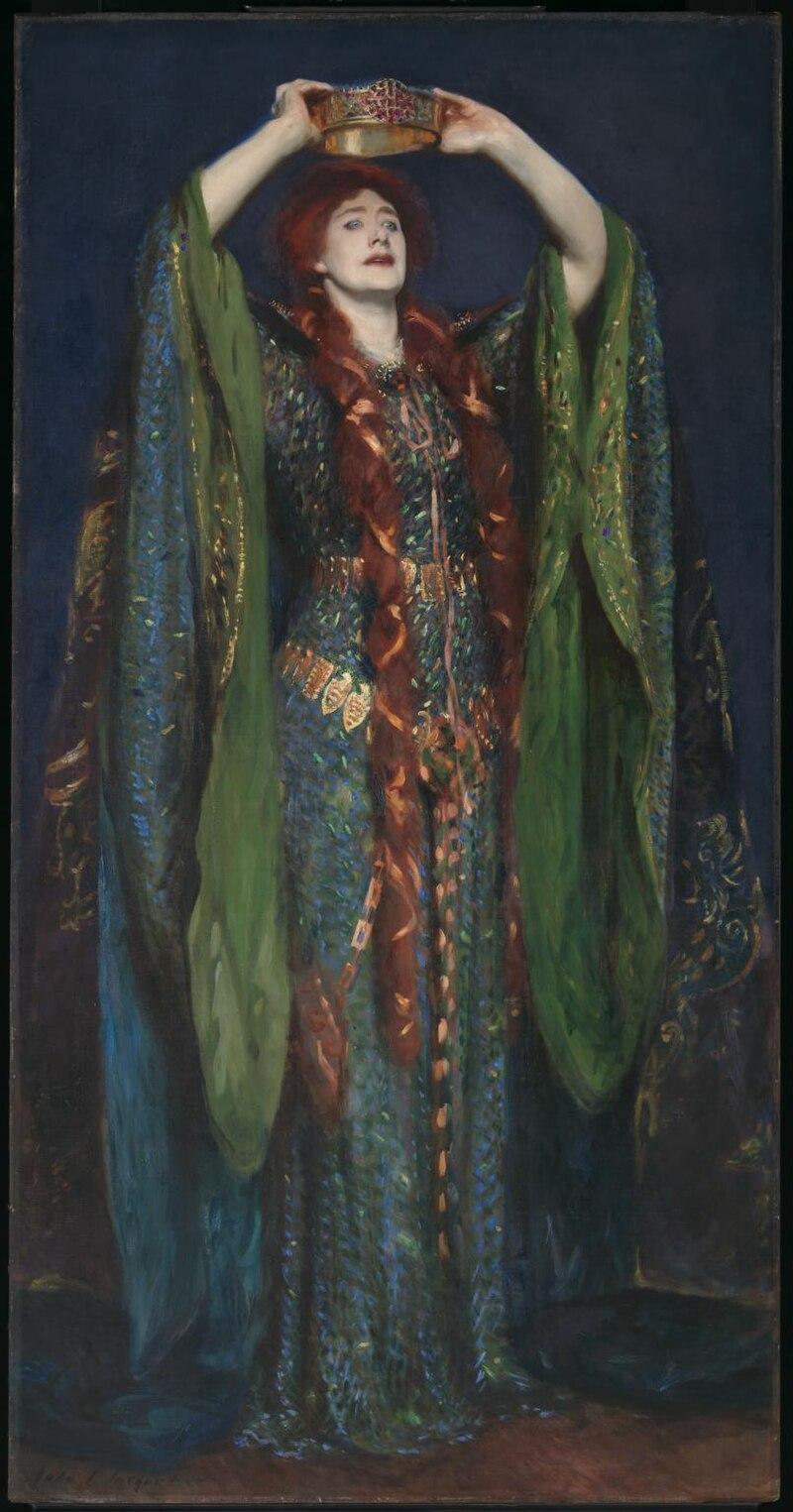
When Macduff enters with Macbeth’s severed head on a spike, all that is left of the former king is his “false face.” Despite both Macbeth and Lady Macbeth’s exhaustive attempts to retain their titles, the intrinsic impermanence of names and identities prevails. In this paper, I examine how phrases consisting of “I am” followed by a predicate nominative offer ontological assertions of identity. Using the foundational work of Jonathan Hope and N.F. Blake, I begin with a grammatical study of predicate nominatives and copulas suggesting that, in a world of equivocation, Macbeth’s ontological assertions of identity are equations. Through a reading of Macbeth’s predicate nominatives, I demonstrate how the copula functions to establish an existential equality between unstable titles and impermanent names. I continue with an examination of the ontological shift from being to playing in Macbeth’s final question: “Why should I play the Roman fool and die?” Here I put philosophical theories, including Saul Kripke’s idea of “baptising” a fictional name and Palle Yourgrau’s study of fictional deaths, in conversation with the laws of succession in Early Modern England.
PhD Student in English, University of Toronto
“Abraham Cowley’s Poetics of Particulars”
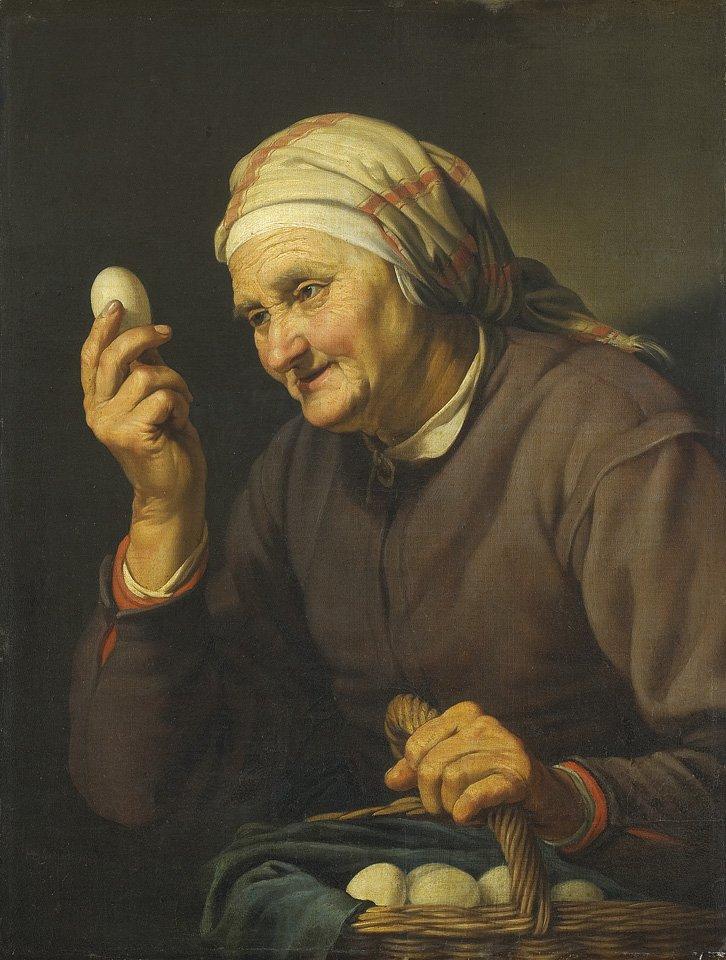
In his Life of Cowley (1781), Samuel Johnson notoriously claims that Abraham Cowley, alongside the rest of the “metaphysical race,” failed to achieve “the grandeur of generality” because of his tendency to diminish and make ridiculous by “descending to minuteness” (31). Though the metrics of Johnson’s eighteenth-century notions of “sublimity” are familiar, early English experiments in the sublime are less frequently studied. This paper examines continuities—John Hall’s 1652 translation of Peri hypsous likewise warns that “what is nicely exact is in danger of littlenesse” (F6r)—as well as discrepancies in Cowley’s widely influential Pindarique Odes (1656). Cowley himself worried that his miniscule subjects might appear trifling, yet he frequently turned to the poetic affordances of, as he puts it in his “Ode to the Royal Society,” nature’s “smallest hand” (146). I argue that “The Muse”—which Johnson deems particularly offensive for its attention to the “firm shell” and “thick White” albumens of an egg glimpsed during the Pindaric ascent (47)—cultivates “grandeur” in the precision of its descriptive details, thereby reconsidering the early modern sublime in relation to the minutely small.
Wednesday, October 8th, 2025.
4:00–5:30pm
Victoria University Common Room
91 Charles St W


