
PhD Candidate in History, University of Toronto
Merchants of Manipulation: English Diplomacy and the Art of Ottoman Authority
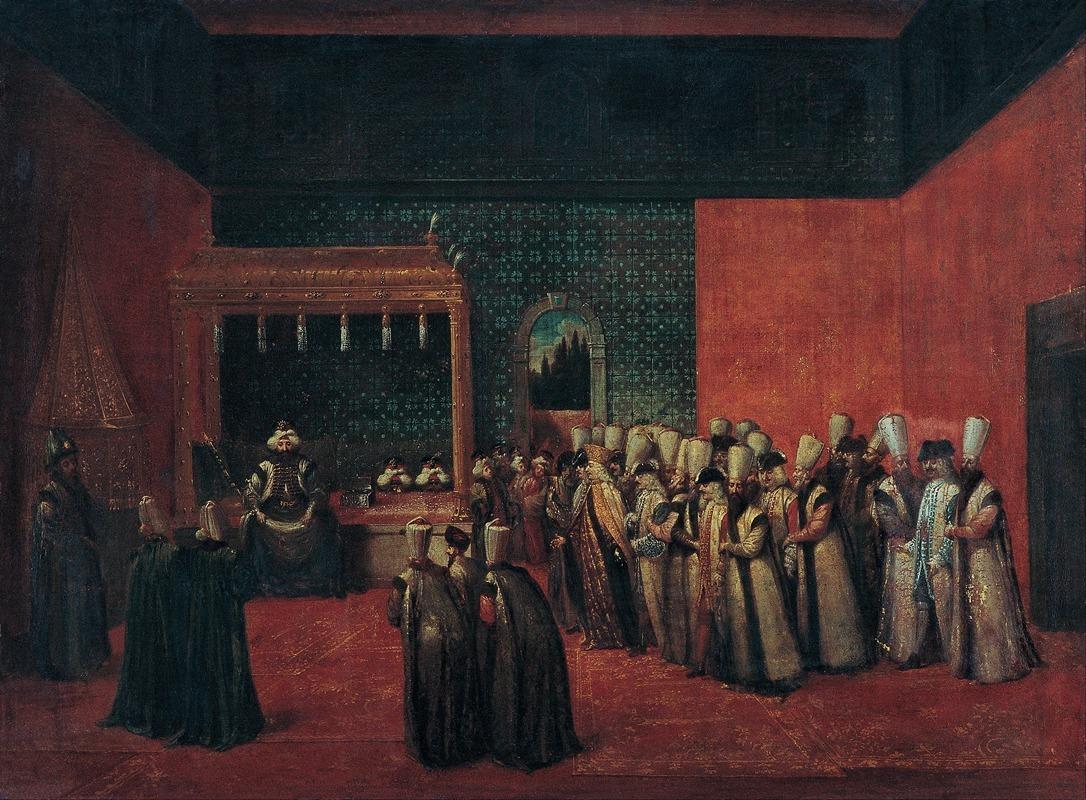
This talk will explore the complex relationship between English merchants and Ottoman authority in the early modern period. Although the Levant Company strictly forbade its representatives from appealing to “Turkish Justice”—threatening violators with hefty fines of 200 pounds -company records tell a far more nuanced story. Through the stories of lesser known Company men like Henry Hyde in Patras and Edward Barton in Istanbul, this presentation uncovers how English merchants and diplomats skillfully navigated Ottoman legal and administrative systems, often defying official prohibitions to advance, or protect, their own interests. Henry Hyde, serving as both Levant Company consul and Ottoman voyvoda, created a unique hybrid authority that operated well beyond the Company’s control. Meanwhile, Edward Barton’s deft maneuvering within Ottoman power structures—including his unprecedented manipulation of Sultan Murad III’s court to outmaneuver a French rival—reveals the deep entanglement of English representatives in Ottoman political networks. These ambitious figures not only ignored the Company’s rules but turned Ottoman institutions into tools for their own gain. By examining these cases, this talk challenges conventional narratives of European-Ottoman relations. Rather than maintaining a strict separation, successful English operators in the Ottoman Empire thrived by mastering the art of engagement with local power structures. Their stories expose the gap between official policy and practical necessity, showing that success in the Ottoman world depended not on avoiding “Turkish Justice,” but on manipulating it with skill and ingenuity.
PhD Student in History, Queen’s University
Glassenbury Estate: A Micro-history of Private Woodland Management during England’s “Timber Famine”
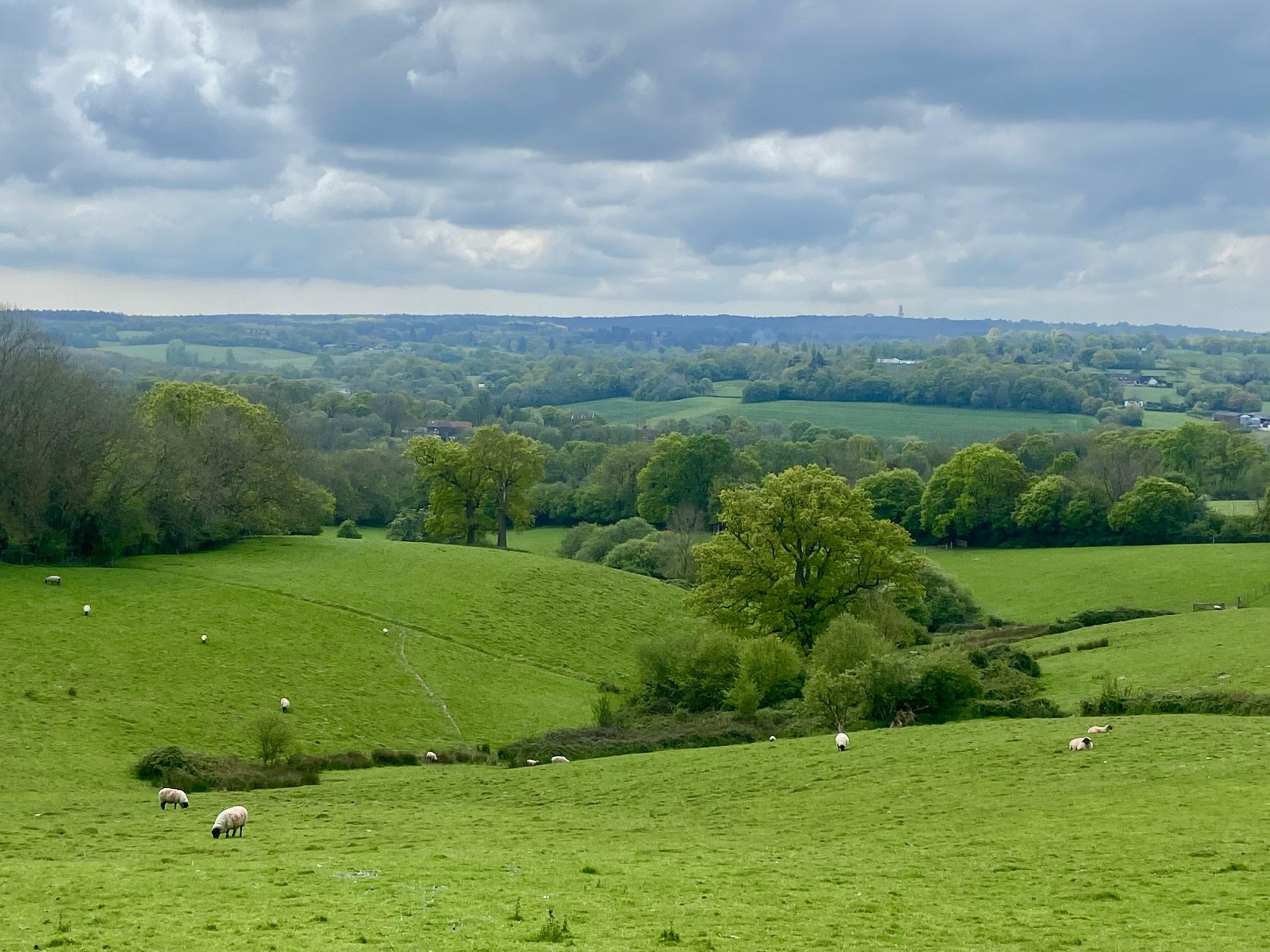
This work-in-progress stems from my MA thesis, “The Wooded Weald: Private Woodland Management and England’s ‘Timber Famine’, 1680-1790”. The project employs Historical Geographic Information Systems (HGIS) to analyze how private woodlands were intensively and sustainably managed to secure consistent revenue during a period of domestic timber shortage for the Royal Navy. Through the late seventeenth and eighteenth centuries, the Royal Navy accused merchant ship builders, agriculturalists, woodland industrialists, and private woodland owners of fomenting timber shortages through careless destruction of woodlands for profit, leading to a “timber famine”. However, this study reveals that often, private woodland estates were in fact sustainably managed with intensive focus on maintaining continued regrowth of trees to meet estate owner’s financial needs. This micro-history looks at private estate management in England’s most densely wooded region and significant timber reserve, the Weald, and reveals the complexities and nuances of the relationship between early modern English people and their most important natural resource: wood. Through a spatial-temporal study of Glassenbury Estate’s woodland management from 1680-1790, this project provides a local perspective of national and trans-national concerns of woodland resource management and timber famine in early modern England.
Tuesday 18 Mar. 2025
4:00-5:30 PM
Victoria University Common Room
91 Charles St W

To attend this event on Zoom, please register here.


