
PhD Candidate in English, Trinity College, University of Cambridge
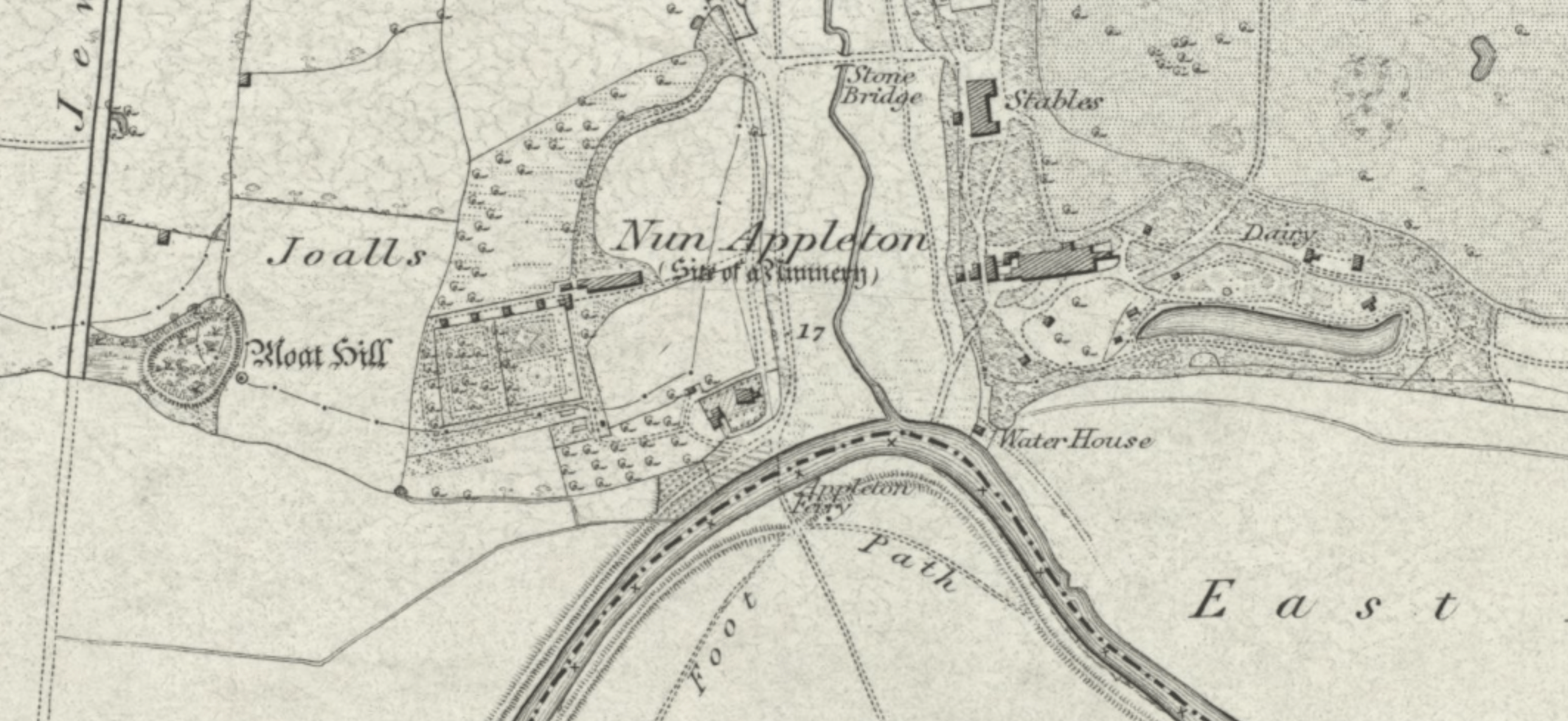
Marvell in the Matrix: Formation, Regression, and the Maternal Body in “Upon Appleton House”
The absence of adult female figures, especially mothers, in much of Andrew Marvell’s poetry has been well noticed and, together with his––at least representational––interest in young girls, is taken as a sign of his disinterest in normative modes of reproductive heterosexuality. In this talk, I will argue that the maternal is not missing from Marvell’s poetry but rather concealed, deterritorialized, and appropriated within it; that we can find, in the gardens, woods, islands, and floods that act as loci of formation in his work, maternal bodies that nourish or starve life, give or indefinitely defer birth. Forming feeding––or nursing––dyads with their inhabitants, these formative topographies act as enclosures that can offer the subject a sort of regressive, suspended refuge, or else threaten it with subsumption and annihilation. These formative topographies, I argue, host what has been recognised in Marvell studies as a fundamentally ambivalent––even amphibian––poetic persona: a linguistic, sexual, and social subject on the cusp of a difficult, and potentially violent, emergence and individuation, contending with powerful fantasies of regression and suspension, submersion and collapse, into its originary state inside an enclosing body.
PhD Candidate in Scottish Literature, University of Glasgow
“By my own hand”: Writing and Recording Memory in Early Modern Scottish Women’s Domestic Manuscript Culture
Women living in seventeenth-century Scotland left behind cultural relics of their everyday in the form of letters, account books, and personal manuscripts. These varied documents contain curated collections of poem and song, as well as recipes and remedies. This paper will present examples of domestic material through a literary lens thus offering new perspectives on the early modern household. The lute book belonging to Margaret Wemyss (1630–1648), or the culinary recipes of Dorothy Best (fl. 1688) and Mary Fothergill (fl. 1692), might not possess the status of “literary” in a conventional sense, but exploration of their interwoven themes bring into relief a range of women’s concerns of the period, many that remain systematically unchanged in the present day. These seemingly fragmentary manuscripts evidence networks of exchange particularly through a matrilineal community of practice. As well as a practical record of the daily lives of early modern women, the manuscripts reveal perceptible written memory. The manuscripts become living and breathing documents which evidence the rich and varied lives of the women who compiled them.
Wednesday, September 25, 4:00-5:30PM
Victoria University Common Room
91 Charles St W

Register for this online event here


